



The Death of the Silicon Dream: Why AI is Evicting You From Your Own PC
If you are currently sitting on the fence about building a new PC, upgrading your workstation, or replacing an aging
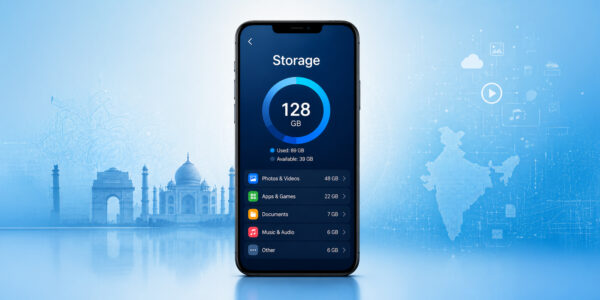
Premiumization Reshapes India’s Smartphone Storage Preferences
India’s smartphone market is undergoing a structural shift in storage preferences, driven by rising premiumization and the rapid expansion of

What the FIFA World Cup 2026 Reveals About Enterprise AI at Scale
Technology in sports has evolved from mere operational support to being a strategic enabler of player performance, competitive fairness, and

India’s Telcos Clock Steady Gains as 5G and FWA Expand Footprint
Subscriber growth, ARPU uplift, and digital infra investments mark a defining quarter in Indian telecom. India's telecom industry has entered




Highway Call Drops Are Costing Indian Businesses Deals — and It’s Not Just the Network, Finds CMR
8 in 10 smartphone users face connectivity interruptions on Indian highways. 2 in 3 business users say they have lost
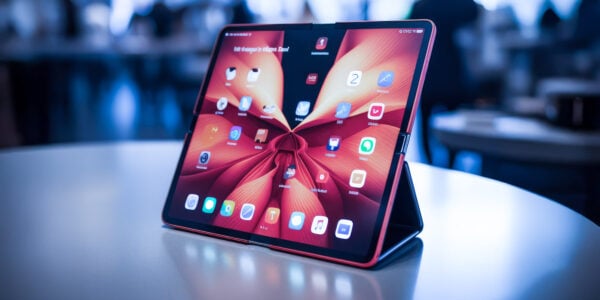
India Tablet Market Surges 37% in Q1 2026 as Premium Devices Command 86% Share: CMR
Wi-Fi tablets grew 92% YoY, driven by education deployments and affordability-led demand. Large-screen tablets above 10 inches accounted for nearly
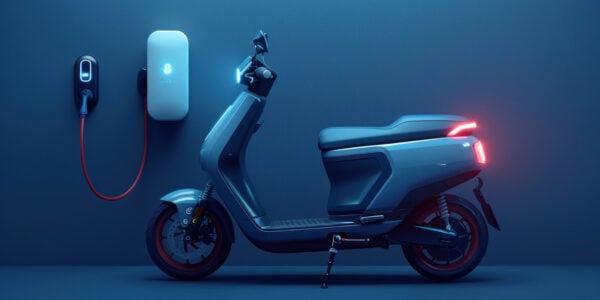
India’s Electric Two-Wheeler Market grows 38% YoY in Q1 2026; Connected E2W Adoption grows to 90%, says CMR
Hero MotoCorp led the overall two-wheeler market with 27% share, followed closely by Honda at 26% TVS retained leadership in

India’s EV Market Accelerates 57% in Q1 2026; Connected Cars and ADAS Drive Industry Shift: CMR
Tata Motors Retains EV market leadership Maruti Suzuki maintained its leadership in the overall PV market ICE PVs captured 89%



































CMR ON SOCIAL MEDIA